



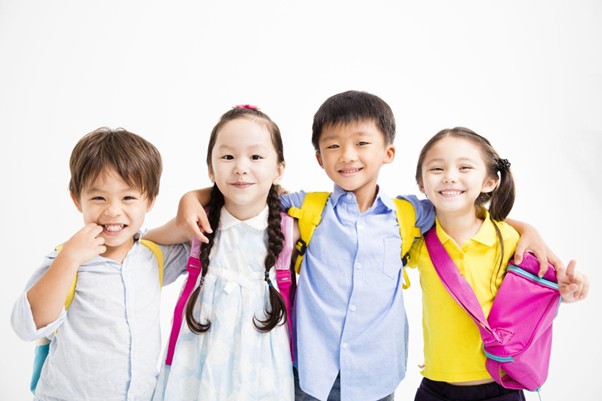
Why do children always fail to remember their classmates’ names?

Source: Aristle International Kindergarten, School Supervisor, Vivian Wu

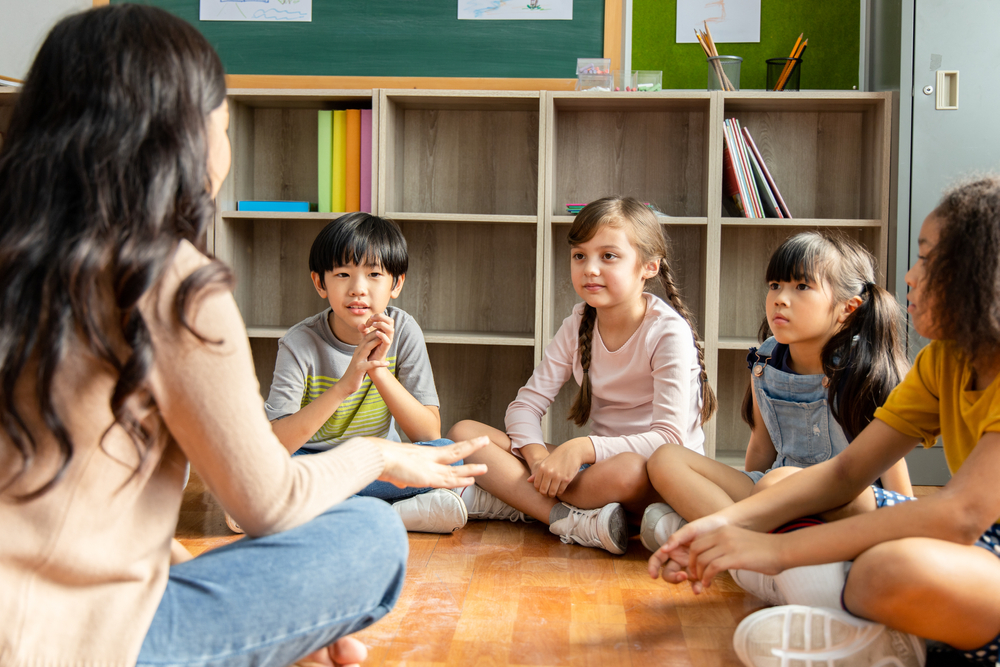
In fact, this question is asked by many parents, especially those whose children have been friends since the baby group and have grown up together. Why do my children seem to play by themselves and not with other children when we meet so many times?

Especially for children who have just started school, aged 2 or 3, they are actually interested in all the school objects and all the new things around them when they return to school. So when they are exposed to a lot of information every day, the sensory system has to deal with a lot of novel information every day, so being interested in so many things around them that, in fact, they may not remember the names of their classmates is very normal.

Secondly, it actually depends on each person’s preference. If mom and dad put some effort into paying attention, they would know some children would like to play with other people, but some children would like to play with toys. They like to explore toys on their own and even play with their own toys in their own way. Most of these children go back to school and may only remember their favorite toys and not be impressed with their classmates.
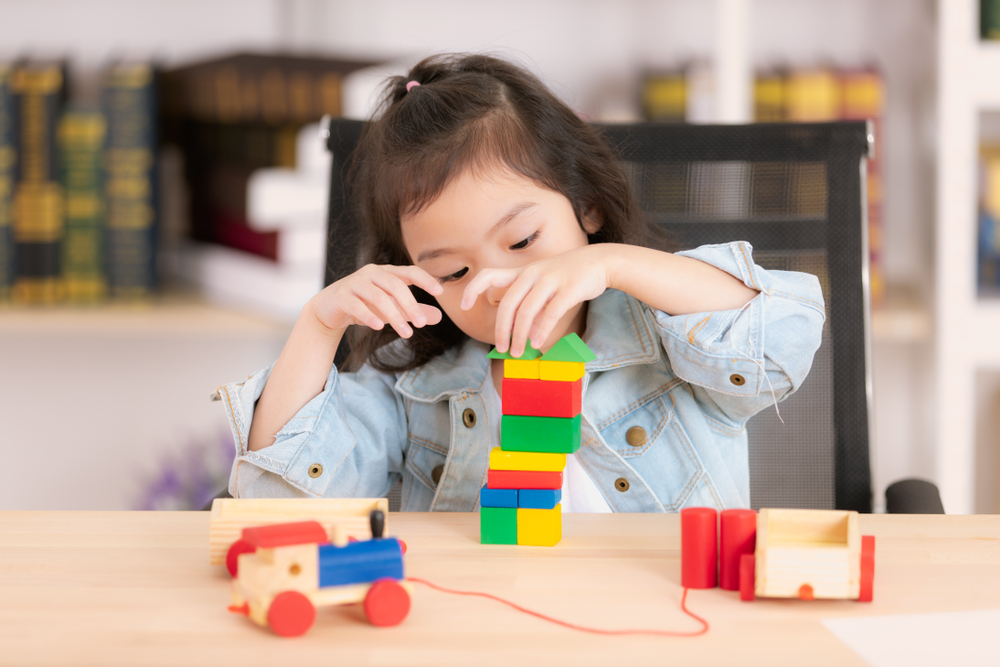
Third, the general 0 to 2-year-old children, even the 3- and 4-year-old children, some of the later months of birth, especially the younger children, in fact, are more self-centered. In the early stages of growth, this is absolutely normal, so he is concerned about who takes care of himself. That is to say, he is more impressed with his caregivers, such as his father, mother, father-in-law, mother-in-law, grandfather, grandmother, and even the domestic helpers. So it is normal that he may remember the teacher’s name in the class but not necessarily the names of his classmates.

Children generally begin to develop the ability to understand the feelings of other children after 18 months of age and gradually learn to care about other children, thus knowing how to build relationships with others. All these skills have to be mastered slowly, so many children start to learn how to share with others in the playgroup.

Finally, I think it is important for parents to understand their children’s personalities and to respect each child’s different personality. In fact, just like adults, every child has a different personality. For some children, you may wonder whether boys are more active or outgoing. But I have a boy student who is a bit more introverted, thinks a lot, and likes to observe, but is never the first one to come out. Just like adults, some adults like to have a large group of friends to play with, and some adults may have a few confidantes that they feel are enough, so these are not problems.

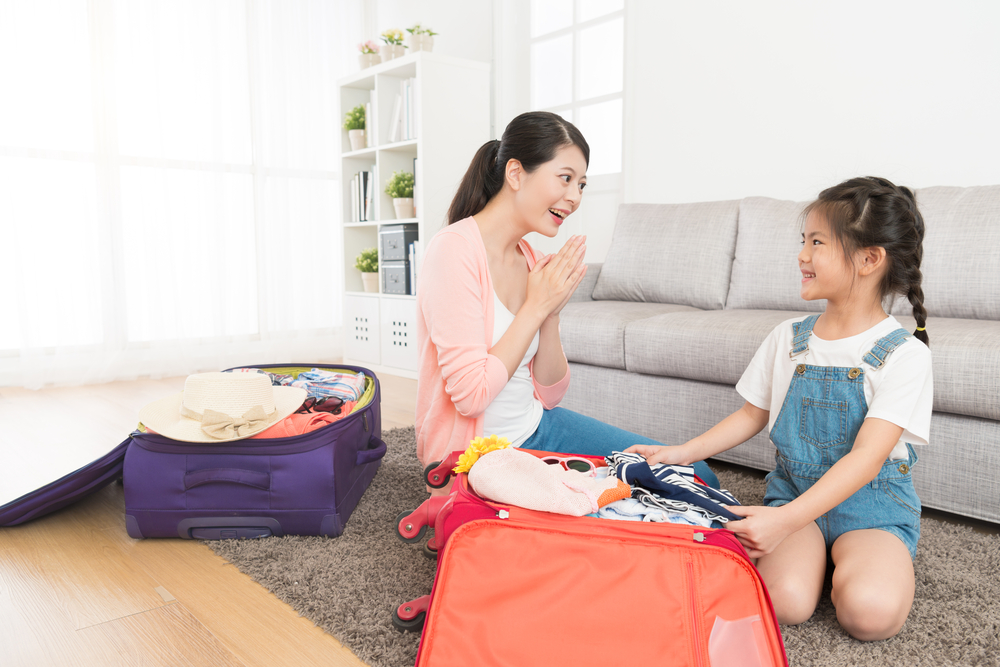
Don’t be the “audience” for your child’s “acting”

Written by: Founder & Volunteer Director of Good Love Passion 

           Lam Ho Pui Yee

Praise is often misunderstood and misused. Some parents think that praise is a “cure-all” medicine and that their children will accept any praise they are given. In fact, children can’t accept sarcastic praise, and it will only turn them off and backfire. Appropriate praise is more effective than harsh punishment. Some comments can be hurtful and can even affect a child’s personality development for the rest of his or her life. Successful parents take advantage of opportunities to praise or encourage their children, as timely and appropriate praise can be motivating and inspiring, enabling children to grow in the right direction.

Smile and make eye contact at the same time

When praising your child, parents must smile and look into your child’s eyes at the same time. Such sincere feelings are the happiest and overflowing. Because praise is a double-edged sword – the right kind of praise will make a person feel confident and happy and move forward, but the wrong kind of praise will make a child lose his or her way and stagnate.

For example, when a child refuses to “sit down”, the parent should say “please sit down” with a matching expression. If the child is willing to comply, the parent can praise him immediately and then play a fun game with him. But if the child still does not comply, the parent can immediately take the child away from the scene to divert attention and guide him to follow instructions. Or when you tell the child to put the toy away, but he still looks at you and tosses the toy, testing to see if you will let him go. You can then say to him in a calm and gentle tone, “Please put the toys away gently,” or “Let’s learn to put away the toys together, okay?

Guide your child to understand that expression is appropriate

Parents don’t have to tolerate their children’s bad behavior and minimize arguing or reassuring remarks, which only gives the child more room to continue “acting out” because they have found an “audience”, and some children may even be aggravated by your ignoring them or getting upset. We need to guide our children to understand that the only way to get what they want is to express themselves in an appropriate way. As long as the parent persists, the child will understand that the behavior will not get the parent’s attention and will naturally give up.

If the child stops this behavior, the parent can respond immediately by praising him for being quiet and then diverting his attention to other activities. Whenever a child receives praise from others, he or she will naturally exude confidence and joy, as well as a sense of trust and affection for the person who praised him or her. However, the repetition of a single form of praise over time can be ineffective, so parents should be careful to be creative in their praise.

Pay attention to the tone of voice and lead by example

Children are a gift from God, and it is only through love that other aspects of accomplishment do not become a form of bragging and pride. The difference in the tone of voice is enough to affect the parent-child relationship of detachment or closeness. Parents’ emotions and behaviors are related to their children’s future learning attitudes and personality traits. Because children mostly learn by groping and imitation, children will observe their parents’ treatment of others and use of words and phrases to learn their own emotional management and interpersonal relationships, so the importance of parents leading by example cannot be ignored. Even a hug, a smile or a look can establish a kind of appreciation. Parents are far more influential to children than teachers or peers. The more encouragement a child receives as they grow, the better it will be for their future development.

Each child has different characteristics, and parents should observe and explore their potential, allowing them to develop according to their strengths. “Encouragement helps children to grow, while scolding makes them timid. But the two must go hand in hand and not be biased.” Only through a clear distinction between rewards and punishments can children feel loved by their parents and know how to face mistakes and take responsibility for their own development.

Categories
Parents Zone

How to build self-confidence from a young age?

Source: Aristle International Kindergarten, School Supervisor, Vivian Wu

Parents may ask what tips are available to help children build confidence easily from a young age. I think young children need love. He may be more self-centered and place a lot of emphasis on his relationship with his caregivers, so I think relationships with parents and caregivers are very important. If he has enough trust in the people around him, it will be easier for him to build relationships with the people around him in the future.

The second point is that many parents now go to play groups more often, and often parents take their children to parent-child classes and can finish them without interacting with other children at all. So many times, parents say it is better to take him out to play more often. In fact, going out to play more often or going to play groups more often does not mean that the child’s social skills or the need to socialize with other children will increase. Take the school’s Play Group as an example; the school will try to encourage more interaction between children, such as exchanging objects or even taking care of the people around them. It is hoped that children will know how to share or take care of others, which will help them build social relationships with others in the future.

One thing that parents can do is to start building their social skills early in life. For example, when you take your child out, you can greet people you see in your daily life, such as neighbors, security guards downstairs, or even your aunt near the supermarket. Perhaps starting with gestures as an infant and then using words every day can become a habit of building relationships with people.

The last thing that many parents may not have noticed is that, in my experience, many children who are more introverted or less talkative, or who may not be so outgoing, You will often find that their fathers or mothers have similar personalities, so I think it is important to teach by example. Parents may want to try to take the first step themselves because children often learn by imitation. Parents may want to adjust their own expectations if one of the parents is not an extrovert. I don’t think you need to put too much pressure on yourself or your child to become particularly extroverted.

Is it true that children who can sit still are learning well?

Source: Family Dynamics Counselor, Chan Tsz Wai

Under the current social trend, many parents are worried that their children will not be as smart as other children, that they will not be able to go to a good school, and that they will not have a future. But in fact, the earlier a child can sit still and listen to instructions, the better he or she will learn in the future.

We first need to understand the brain development of children. In simple terms, the brain can be divided into three layers, from the bottom to the top, in order of priority. The bottom layer is our brain stem and cerebellum, which is responsible for our basic survival functions, such as breathing, heartbeat, body movement, and body coordination; in the middle is our subcortical brain, also known as the sensory brain, because it is responsible for our emotions and memory; and the highest level is the cerebral cortex, where many parents want their children to be smart, to learn more, and to concentrate, which is responsible for our concentration, language, abstract thinking, and logical thinking.

However, parents should be aware that our brain development is not complete until our thirties, when our highest level of thinking brain development is achieved. In fact, it depends on whether our lower brain layer has a good foundation.

Children between the ages of zero and two are at the time when their lowest level of activity is developing most rapidly. So they need a lot of physical movement and sensory stimulation to help their brain development. If we force them to sit down too early, we will not be able to build a good foundation for their brains. Many studies now tell us that if we give children a lot of academic training too early in their lives, they will have relatively weak concentration, emotional regulation, self-confidence, or learning abilities. This is why we are seeing many children and adolescents with depression, anxiety, and other mental health problems at an early age.

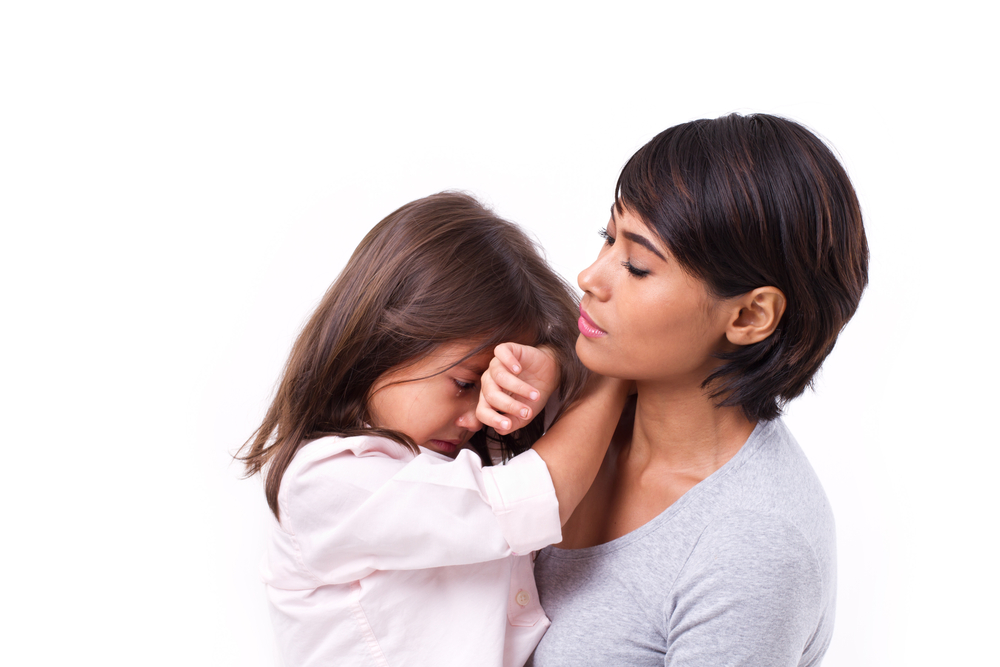
In addition, children at this stage need to feel safe because their brains are not developed enough to calm themselves, so when they are uncomfortable or feel insecure, they will cry loudly for help. This is a natural need, and parents who encounter a child in this situation can hold him, pat him, or tell him, “Mommy is here!” Maybe he feels insecure when he goes to some unfamiliar place, and if the child establishes a healthy sense of security and parental relationship at this stage, this is actually a good foundation for future healthy development.

As for choosing a kindergarten, parents should know whether the school can match the growth and development of the child, or when the child is preparing for the interview, parents can go to the school earlier to observe the school and its surroundings and take their child to play so that he or she can get familiar with the environment. Before the interview, you can take him to play and tell him that the teacher will play with him and he may talk to you, so there is no need to put too much pressure on him and he does not know what will happen when he enters the school.

But finally, if parents find that their child’s development, such as language, self-care, and social skills, is not as good as that of children of the same age when he or she reaches the age of two, they should seek an assessment from a pediatrician as soon as possible to find the right way to help him or her.

Siblings often quarrel with each other and the role of parents is especially important.

Written by : Founder of  Family Dynamics

                      Marriage and Family Therapist 

                      Children Play Therapist

                      Ng Yee Kam

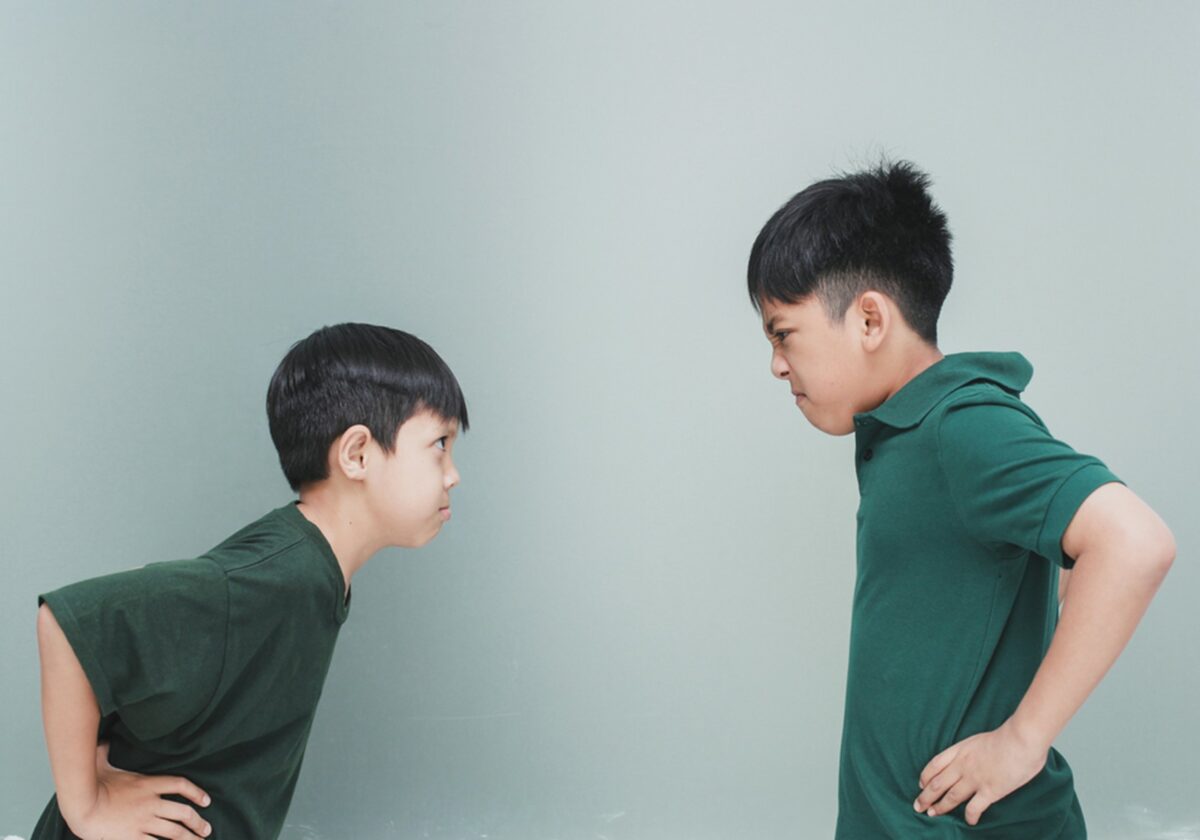
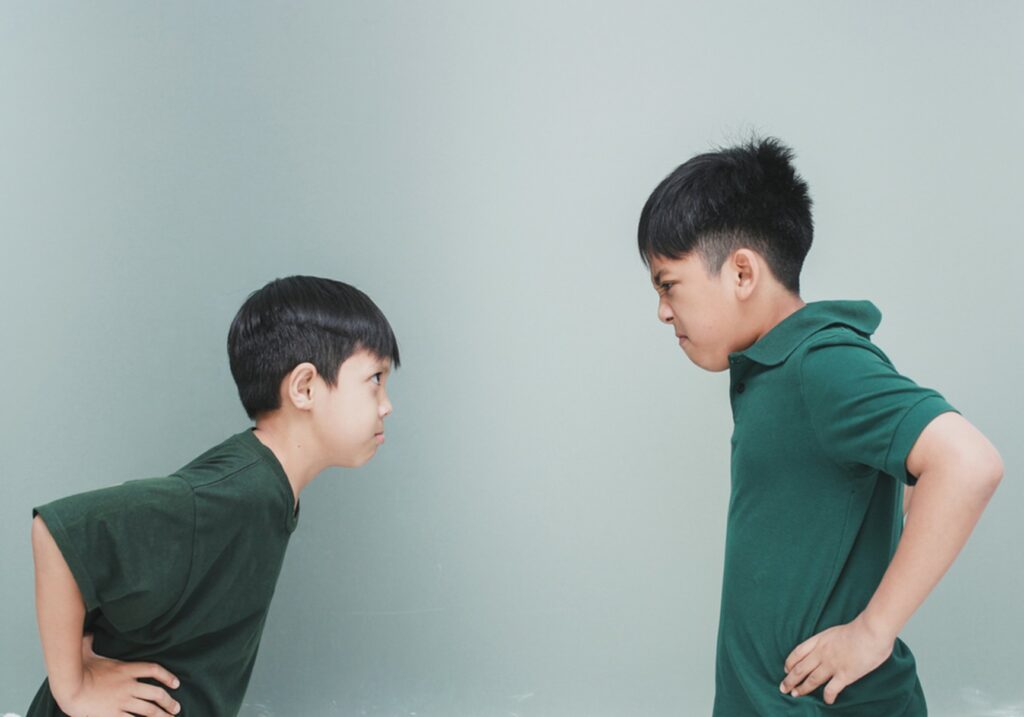
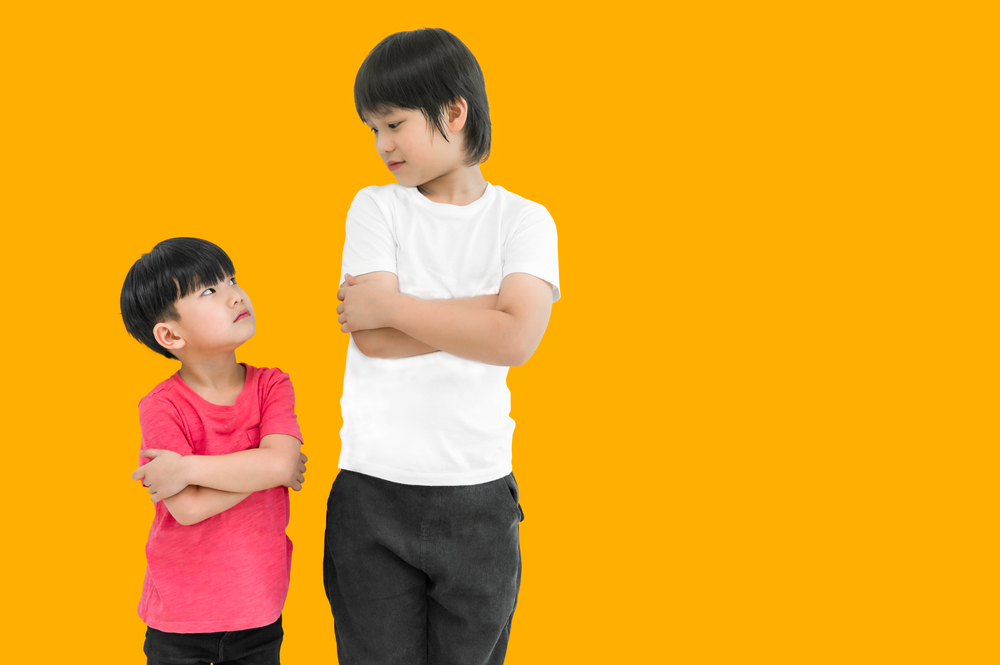
In recent play therapy cases, several of the children’s emotional problems were related to their young siblings’ relationship. Most of these problems were not caused by major arguments, but rather by subtle interactions in which each child was seeking the mother’s attention, comparing how much positive feedback they received from each other, and comparing who the mother “loved” more! Children often fight with each other because they are jealous of their siblings and take the opportunity to vent their frustrations.

It is true that everyone is “biased” and so are parents. Both inborn and nurtured personalities can lead to a preference for certain behaviors and behavioral patterns. If parents do not think about this, they will not suddenly become more open-minded because their children are their own.

Parents may be more appreciative of certain traits and more resistant to certain traits in their children’s different personalities. This is understandable. The problem is that parents must be aware of this situation and be aware of it and allow themselves to grow beyond the narrow framework of their parental role, increase the breadth and width of their own vision, learn to appreciate the differences in their children’s personalities, and appreciate their children’s unique strengths from the bottom of their hearts, and pass them on in their daily lives so that their children can receive them and affirm themselves. This will prevent the problem of sibling rivalry from worsening and causing unnecessary jealousy and suspicion in children.

The mother’s role is especially important during the early years of a child’s life because the quality of the mother’s interaction with the child has a critical impact on the child’s self-worth and sense of security. In these recent cases, it was not uncommon to find that the children had a sibling in the family who was cheerful, understanding, and liked to express herself, and was well liked by adults and teachers. I could see the mother’s joy and pride when describing her child. No wonder the children in these cases often felt compared to the others because they were more introverted, reticent, shy and cautious.

One mother was aware of the need to appreciate her son’s abilities, so she kept praising him, but in terms of character, she inadvertently encouraged her son to follow her sister’s example by expressing himself more and integrating into the group. However, this is not the nature of the child’s character and makes the child suspect that there must be something wrong with his or her character that cannot be accepted by the mother. This internal pain can easily turn into jealous emotions towards the elder sister, making the parents feel that the child’s attitude towards his/her sister is unreasonable, and further preventing the child from breaking out of this negative cycle.

I suggest that parents should not compare their children. For children who are more introverted, shy, reticent and cautious, they should be more reassuring: ” You do not need to force yourself to play with children like your brother, you quietly observe is already a kind of participation, when you feel at ease then go out to play is not too late. Or, “Not every child needs to be as talkative as their elder sister or like to perform in front of people; Mom likes it when you can express yourself as you see fit.

For children who are more reactive and impulsive, listen to them first and then help them correct their behavior if it is safe to do so: “You are reacting so strongly to hit your brother, you must feel very angry inside, let me hear how you feel, okay? Sometimes parents do have to deal with their children “fighting for something,” but more often than not, what parents need to do is to meet their children’s psychological and emotional needs and affirm their true nature, so that their children can naturally get along well.

Children often shirk their responsibilities, and parents should be held accountable?

Source: Psychotherapist, Lee Wai Tong

Whenever something happens, children will use different excuses to shirk their responsibility toward others. Parents may then scold the child for this, but this may make the child avoid taking responsibility. Faced with this situation, what can parents do?

First of all, when parents ask children, “Why didn’t you finish the work?” or “Why don’t you understand?” Parents want their children to take responsibility. But at this time, the child will want to shirk the responsibility and give it to someone else, but at the end of the day, the parents actually want the child to take responsibility. You should know that responsibility starts with the child having the time to make decisions because having the time is called having a sense of autonomy. If children can have a sense of autonomy, they will be more likely to be responsible.

For example, if he does not know how to do his homework and is asked why he does not understand, he will say that the teacher did not teach him, the teacher did not teach him well, or that the other students were noisy. At that moment, if parents continue to say that he is not concentrating in class, they will only make the child throw the responsibility further away. So at this point, we need to know how to do better since we are facing difficulties and then work with the child to figure out how to do it.

The child will feel responsible for doing a good job, so naturally he will put the responsibility back on himself and let himself do it. And when children can do things on their own, they will be more willing to take responsibility. This is why I always say that the most important thing for parents is not to be accountable because accountability only teaches children to unload their responsibilities, while we can help our children take responsibility and accomplish things together. This is the most important lesson we often teach our children about responsibility.

How should parents express their love for their children?

Source: Parenting Specialist, Ken Sir

Some mothers often ask me, “How should I show my love for my children?” Will it be spoiled by expressing too much? I think that Chinese people are more introverted and are often afraid to express their love. Especially when you want to express your concern for him but end up with a different attitude.

I once saw a mother and her little child lost in Shatin and then reunited. How did the mother behave after the reunion? She grabbed him by the hand and hit him while saying, “I just couldn’t see you; do you know how scared I was?” I am very worried about you. What can I do if I can’t see you?

In fact, everyone knows that his mother loves him, but the child cannot feel it. I often share an example of how to express love in my lectures. When I was a child, my father ordered a drink, and since he didn’t have much money at the time, he asked the waiter for an extra cup after ordering a hot drink. He kept pouring the drinks around in front of me, trying to get the drinks cold as soon as possible so that the kids wouldn’t burn their mouths when they drank them and they could drink them faster, but I found that if the kids asked their parents or I asked many of the student’s parents, they would all answer, “This will get cold faster.”

When responding to children, parents should express their deepest feelings, such as “Because I love you, how would I do this thing if I didn’t love you?” Do I do it for the one next to me? In fact, there are many things we can do in life to express love, but there is one thing we must remember if we are to avoid causing spoiled, you must remember the following two points.

The first point is that if a child can do something, he should be allowed to do it; you should not fight to make him do it. The second point is that when a child makes a mistake, we should correct him. In the process of correction, we should be gentle and firm, and serious when we need to be serious. However, remind the child that he or she should be told the solution, not just no or wrong. If so, the child will not improve.

Categories
Parents Zone Parents Zone Parents Zone Parents Zone Parents Zone Parents Zone Parents Zone Parents Zone Parents Zone

Children grow up to be fed instead? How can parents break it down?

Source: Psychotherapist, Lee Wai Tong

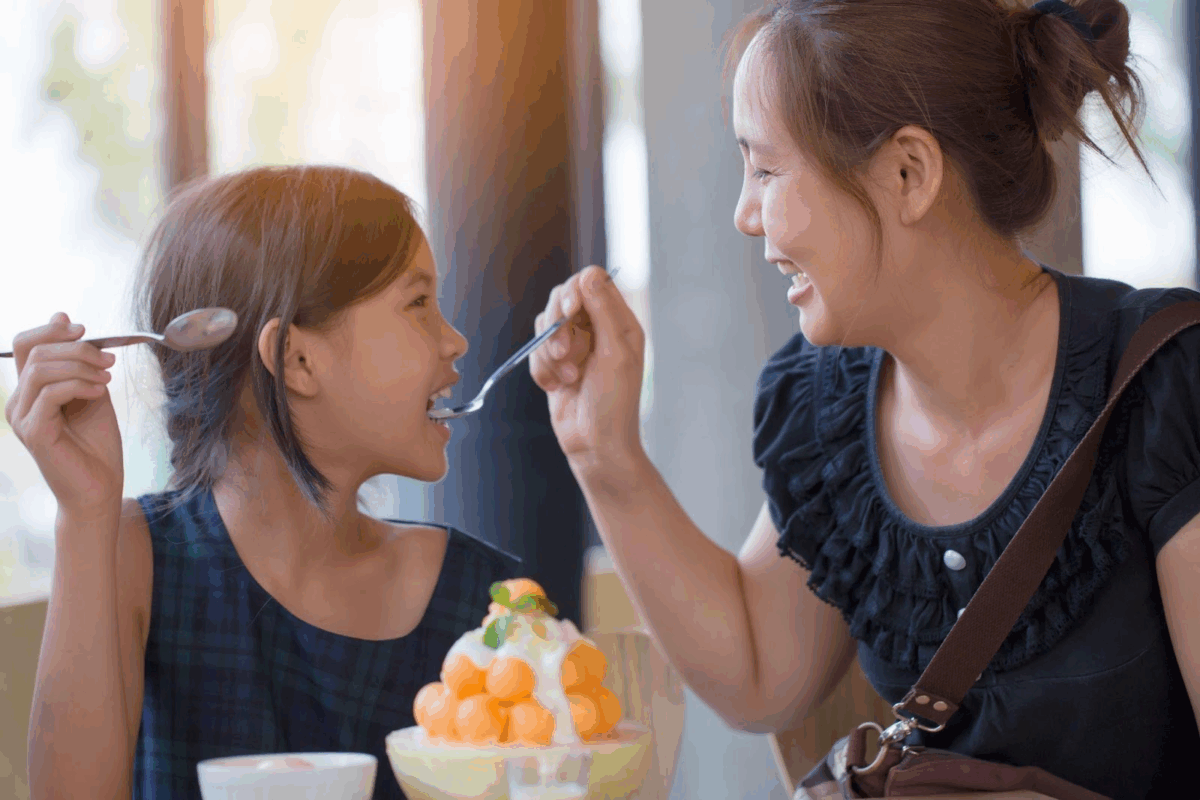
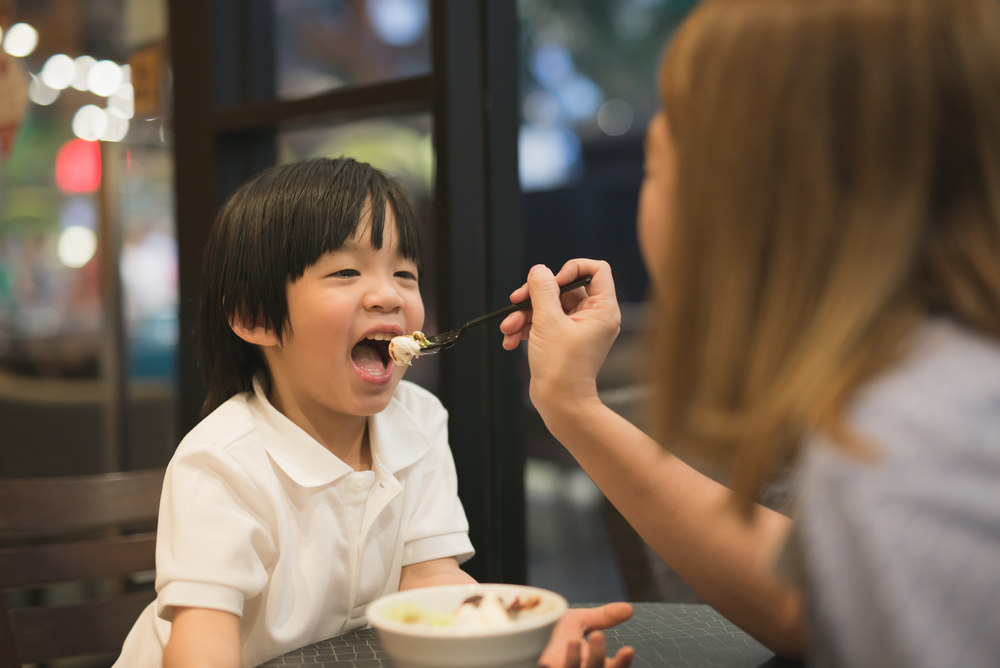
The parents begin feeding the baby milk and gradually introduce paste from the time the baby is born. Then children can start to hold their own utensils and eat on their own, one bite at a time while watching them grow up. But when the children reach the age of 6 to 7, they will suddenly ask their parents to feed them. What is the reason for this? How can this be resolved?

Whenever children grow up, their parents are happy, especially when their children eat. In the past, they had to be fed by their parents, but later they learned to use utensils and eat by themselves, which was originally a very happy thing. However, many parents do not understand that when children can eat on their own, they begin to ask their parents to feed them. This is because the intimacy of parental feeding feels good and may make children want to be fed.

When children are young, it is fun for parents to feed them, but when children grow up, it is a headache for parents if they still want to be fed halfway through a meal. We don’t want to spoil the atmosphere of the meal because of the feeding problem, so we need to learn that when children ask to be fed in the middle of a meal, we can solve the problem in the following ways:

Parents can say to their children, “If you take two more bites of rice, mommy and daddy will start feeding.” The next time the same thing happens, say, “If you eat three more bites, mommy and daddy will start feeding,” gradually shorten the time of parental feeding, and gradually extend the time of children eating on their own. Later on, there is a chance to finally just feed him a bite to maintain the intimacy of the parent-child relationship but also to make the eating atmosphere more interesting.

Growing up, but not willing to walk. How to improve the children’s twisting and hugging habits?

Source: Psychotherapist, Lee Wai Tong

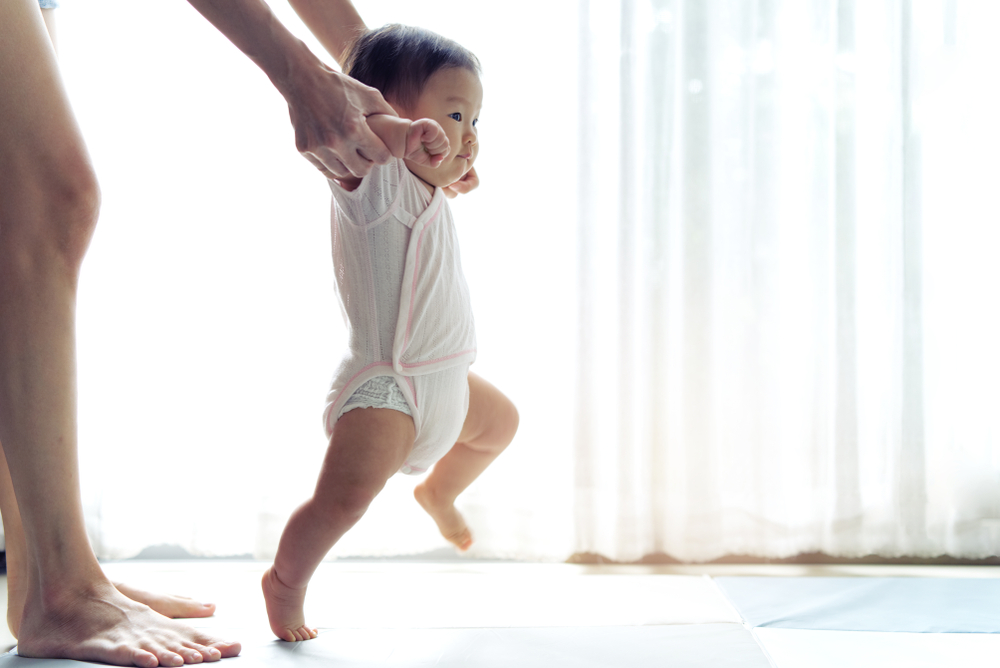
At the age of one, children gradually learn to walk. At first, children will be very excited to explore everywhere. But gradually, they will ask adults to hold them and not be willing to walk by themselves. Parents will be feeling headaches, sometimes the child may be really tired, and sometimes they just want to be held out of a sense of affection. What can parents do when their children ask for a hug?

Some parents have mentioned to me that their children couldn’t walk when they were one year old, but they wanted to walk very much. When they learn to walk later, they especially like to walk at that time. The parents were happy that the stroller could be left at home, thinking that the child would walk in the future. However, after the children became familiar with walking, they would want to be held by their parents, and even the parents would need to take a stroller and go everywhere in the stroller.

If you don’t have a stroller, it’s a big test of the parents’ physical strength. Of course, parents want their children to walk again, and some parents say, “If you don’t walk, we won’t go out.” Parents actually want to go out with their children, have fun, and walk around, so why not set a goal with them? For example, if you go there, you will hold them, and if you go there, you will walk, and you will make this commitment before you go out. For example, when the child is just out of the lift door and says he wants to be held, we have just said that we have to go downstairs, from the entrance of the estate down to the gate, before we can hold him. We have a goal for the child; the child moves naturally downstairs to hug, and the parents promised to carry him to the gate and place the child back on the ground.

Sometimes children would suddenly say they wanted to be hugged; parents could tell their children to walk to the other side of the light before hugging. On the one hand, we all enjoy parent-child fun, and secondly, children have a goal, know where to walk to hug, and are naturally more willing to walk a little more. Sometimes children are really tired, or the feeling of hugging is actually very intimate, so they want to hug to get the intimate feeling. So we need to let the children know that we will hug them, but there is a goal, for example, to walk there and hug them at that time, so that everyone will be happy.

Do children need to take nutritional supplements?

Source: Senior Dietitian, Ng Yiu Fun

Many parents ask me, “Does my child need to take supplements?” For example, would fish oil or DHA be better for him? I have children myself, and I don’t let them take any supplements. But some parents say, “Is it really smarter to take supplements?”

In fact, if you have a balanced diet, you don’t need any supplements. Why? For example, if you take too much fish oil, it will have an excessive blood-thinning effect, and you will easily bleed out. So we say that if you take too much fish oil, it may not be good for your child.

We may have to figure out how to add a little bit of fish to our food. For example, if he doesn’t like eating fish, we can dip the fish in batter and bake it to make it feel crispy and tasty. Or when cooking spaghetti, you can add some crustaceans, such as clams, which are easy for children to absorb. Also, simple foods such as seaweed have ingredients that make them smarter.

As for the parents, they may think that if they take more calcium supplements, their children will grow taller. This is also not necessary, because if you take too many calcium tablets, it will be very easy to give him kidney stones. We can let children drink milk, tofu, or soy milk to help them absorb calcium without the need for special supplements.